2012 Recap: Was It the End of the World or a New Era?
It is hard to believe it has been over a decade since we all collectively held our breath on December 21, 2012. If you were online back then—or even just watching the news—you know the vibe was absolutely chaotic. People were literally building bunkers, stocking up on tinned beans, and debating whether a giant hidden planet called Nibiru was about to smash into us.
Looking back from today, it all feels a bit like a fever dream, doesn’t it? But at the time, the “Mayan Apocalypse” was a global phenomenon that dominated pop culture. It wasn’t just some fringe conspiracy theory; it was everywhere. Hollywood made a massive blockbuster about it, John Powell wrote books, and even NASA had to put out official statements saying, “Hey, we are still going to be here on December 22.”
But why did we fall for it? And more importantly, did something actually change? Some people argue that while the world didn’t physically explode, 2012 marked a massive shift in how we live, think, and interact with technology. It was like the “Old World” died and the “Digital Era” truly took over. Let’s take a trip down memory lane and see what that whole mess was actually about.
The Mayan Calendar: A Massive Misunderstanding
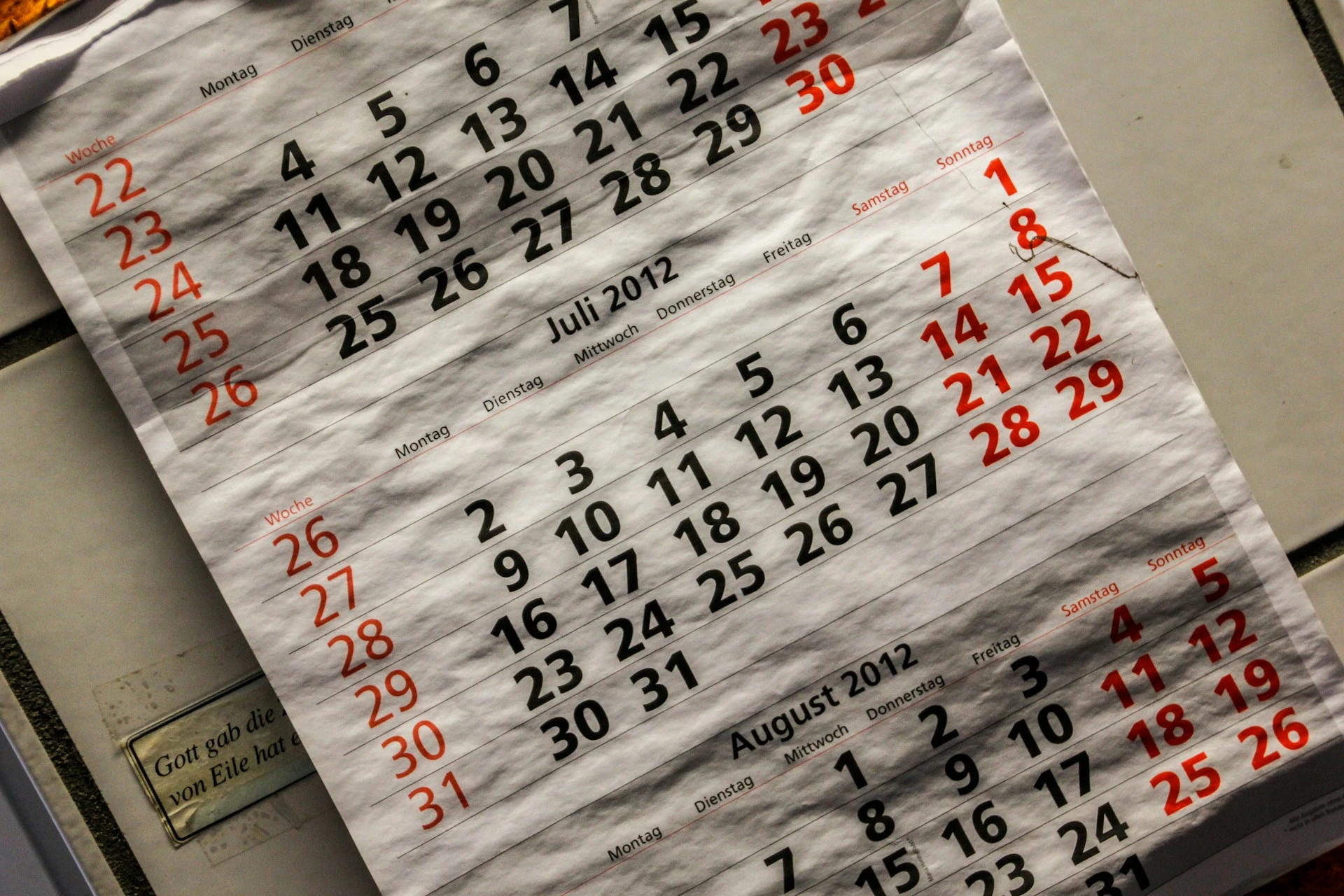
The whole 2012 panic started with the Maya Long Count calendar. The Maya were brilliant astronomers and mathematicians, but they definitely weren’t trying to predict the end of the world for a bunch of people living in the 21st century.
Basically, their calendar worked in cycles. A cycle called a b’ak’tun lasted about 394 years. The 13th b’ak’tun ended around December 21, 2012. For the ancient Maya, this would have been a cause for a huge celebration—kind of like our New Year’s Eve, but on steroids. It was a reset, not a “game over” screen.
But somewhere along the way, New Age authors and conspiracy theorists got a hold of this info. They twisted the idea of a “cycle ending” into “the world ending.” It is a classic case of lost in translation. Instead of a fresh start, we got movies showing the Earth’s crust shifting and the White House getting hit by an aircraft carrier. Talk about dramatic.
How the Internet Fueled the Fire
2012 was a unique time for the internet. Social media was growing up, but it wasn’t the polished, algorithm-driven machine it is today. Facebook was huge, Twitter was where the real-time snark happened, and YouTube was full of “documentaries” with scary music and grainy footage of space.
This was the first time a “doomsday” theory had the power of the modern internet behind it. Rumors could spread faster than facts. If one person posted a photo of a weird cloud and called it a “sign,” it would be shared thousands of times before a scientist could even finish their coffee.
Check out how the vibe changed between the previous “end of the world” scare (Y2K) and the 2012 phenomenon:
| Feature | Y2K (2000) | Mayan Apocalypse (2012) |
|---|---|---|
| Main Fear | Computers crashing and planes falling. | Cosmic alignment and total destruction. |
| Information Source | TV News and Newspapers. | Viral YouTube videos and Social Media. |
| Pop Culture Impact | Technical anxiety. | Massive Hollywood movies and memes. |
| Vibe | “Fix the code.” | “Is the world ending?” |
The “Non-Event” of the Century
When the actual day arrived, what happened? Honestly, not much. Most of us just went to work, had a coffee, and maybe made a few jokes on Facebook about still being alive. In Australia, because of the time zone, we were actually some of the first people to “survive” the apocalypse. While the US was still sleeping, Aussies were posting “We’re still here, mates!”
There were some small-scale events, though. Some people gathered at Mayan ruins in Mexico and Guatemala. Others held “end of the world” parties at local pubs. But by the time December 22 rolled around, the world had moved on to the next big thing.
But wait, did we really move on? Some folks online—mostly in the deeper corners of Reddit—started the “Dead Internet” theory or the “Mandela Effect” discussions around this time. They claim that maybe something did happen. Maybe we shifted into a parallel timeline? It sounds wacky, but it shows how much that year rattled our collective psyche.
What Else Actually Happened in 2012?
If we ignore the apocalypse for a second, 2012 was actually a massive year for humanity. We did some pretty cool stuff that had nothing to do with ancient calendars.
- The London Olympics: Who could forget the Queen “jumping” out of a helicopter with James Bond? It was a peak moment for global unity.
- Curiosity Rover Landed on Mars: We literally put a car-sized robot on another planet. That is way cooler than a solar flare destroying Earth.
- Felix Baumgartner’s Space Jump: Remember watching that live? A guy literally jumped from the edge of space. Our hearts were in our mouths.
- Gangnam Style: Psy took over the world. It was the first YouTube video to hit a billion views. If that isn’t a sign of a new era, I don’t know what is.
The Cultural Shift: From Physical to Digital
I reckon 2012 was the “tipping point.” Before 2012, we still had one foot in the old way of doing things. After 2012, smartphones became an extension of our arms. We stopped looking up at the sky for signs of the end and started looking down at our screens for the next notification.
It was also the year we saw the rise of “Big Tech” as the dominant force in our lives. The way we consume information changed forever. We went from trusting experts to trusting influencers and viral threads. Maybe that was the “destruction” the Mayans were hinting at—the destruction of the old way of communicating.
A Look at the Numbers: 2012 Statistics
To give you an idea of where the world was at, here is a quick look at some 2012 stats compared to now. It is wild how much has changed in terms of how we connect.
| Metric | 2012 Value | Impact on Culture |
|---|---|---|
| Global Internet Users | ~2.4 Billion | The start of the truly “connected” world. |
| Smartphone Users | ~1.0 Billion | The year everyone finally got an iPhone or Galaxy. |
| Top Song | Gangnam Style | The birth of the global viral mega-hit. |
| Facebook Users | 1.0 Billion | Social media becomes a mandatory part of life. |
Why Do We Love Doomsday Stories?
Psychologically, humans are kind of obsessed with the end. It gives our lives a sense of urgency. In 2012, the “apocalypse” gave us something to talk about. It was a shared experience. Even if you didn’t believe it, you were part of the conversation.
There’s a certain comfort in thinking we’re living in the “final days.” It makes our mundane problems feel smaller. “Who cares if I’m late for rent? The world might end on Friday!” It’s a weird form of escapism. And honestly, looking at the state of the world today, 2012 feels like a much simpler time. We were worried about a calendar; now we’re worried about AI taking our jobs and the price of avocados.
Lessons Learned from the 2012 Craze
So, what did we actually learn? Hopefully, a bit of skepticism. The 2012 hype showed us how easily a narrative can be built out of nothing. It showed us that “viral” doesn’t mean “true.”
- Don’t believe everything you see on a YouTube documentary with 144p resolution.
- Ancient calendars are usually just… calendars.
- People will buy almost anything if they are scared enough (shoutout to the folks who sold “survival kits”).
It also taught us that the world is pretty resilient. We’ve survived countless predicted “ends,” from Y2K to the 2011 Harold Camping prediction, and of course, 2012. Life just keeps rolling on.
The “New Era” Theory: Was There a Spiritual Shift?
Some people in the spiritual community still insist that 2012 was a “Great Awakening.” They say it wasn’t about the world ending, but about a shift in human consciousness. Whether you believe in “vibrational shifts” or not, you can’t deny that the world felt different after that year.
The way we relate to each other, the way we protest, the way we work—it all shifted. The 2010s were a decade of massive social change, and it all seemed to kick off right around that 2012 mark. Maybe the Mayans were right about a “new cycle” beginning; they just didn’t mention it would involve TikTok and remote work.
The Commercialization of the Apocalypse
Let’s be real: a lot of people made a ton of money off 2012. Sony Pictures made nearly $800 million from the movie 2012. Book publishers, TV networks, and even “prepper” supply stores had a field day. It was a masterclass in marketing fear.
This is a good reminder for us today. Whenever there is a massive “scary” trend taking over the internet, someone is usually profiting from it. Whether it’s the latest health scare or a financial “collapse” prediction, it’s always worth asking: “Who is selling the solution?”
Is 2012 Still Relevant?
Surprisingly, yes. People still talk about it. Every time a new “hidden” Mayan tablet is found, or someone recalculates the calendar, 2012 trends again. Some people even claimed the “real” 2012 was actually 2020 (which, to be fair, felt a lot more like an apocalypse than 2012 did).
But for most of us, 2012 is just a nostalgic memory. It was a time of silly memes, peak Lady Gaga, and the last few years of the internet being “fun” before it got super serious. It was the end of our digital innocence.
Common Myths vs. Reality
Let’s clear up some of the stuff people still get wrong about that year. It’s easy to misremember things after a decade.
- Myth: The Mayans predicted the world would explode. Reality: They just reached the end of a big calendar cycle.
- Myth: NASA was hiding a planet called Nibiru. Reality: If a planet was that close to Earth, even an amateur astronomer with a backyard telescope would have seen it.
- Myth: There was a rare galactic alignment that would flip the Earth’s poles. Reality: Alignments happen, but they don’t have enough gravity to flip a planet.
Where Are the 2012 “Preppers” Now?
You might wonder what happened to the folks who spent their life savings on bunkers. Well, some of them are still waiting. But for many, that experience led them into the modern “homesteading” or “self-sufficiency” movements. It wasn’t all for nothing; learning how to grow your own food and be prepared for emergencies is actually pretty practical advice, even if the world isn’t ending this Friday.
Conclusion: The World Didn’t End, and That’s Great
At the end of the day, 2012 was a massive, global “what if?” It brought us together in a weird way, gave us some great (and terrible) movies, and reminded us that we’re all stuck on this rock together. Whether you see it as a New Age awakening or just a massive marketing stunt, it remains one of the most interesting years in recent history.
We didn’t get hit by a planet, and the sun didn’t fry us. Instead, we got a world that moves faster, talks louder, and is more connected than ever. Maybe that’s its own kind of apocalypse, or maybe it’s just the “New Era” we were promised. Either way, we’re still here, and that’s worth a celebration.
What do you think? Did something change for you in 2012, or was it just another year? Whatever your take, it’s a hell of a story to tell.
What was the 2012 phenomenon?
It was a global belief that the world would end or transform on December 21, 2012, based on the end of a cycle in the Mayan Long Count calendar.
Did the Mayans actually say the world would end?
Nope, they didn’t. For them, it was just the end of a 5,125-year cycle, which usually meant it was time for a big party and a fresh start.
What was the “Planet X” or Nibiru theory?
A bunch of folks thought a hidden planet was going to collide with Earth. NASA debunked it many times, saying we’d definitely see it coming if it existed.
Was there a movie about it?
Yeah, the movie 2012 came out in 2009. It was full of crazy CGI showing cities falling into the ocean, which definitely helped fuel the panic.
Why did people believe it so much?
The internet was in a “sweet spot” where rumors could go viral easily, and there wasn’t as much fact-checking as we have now. Plus, people love a good mystery.
What actually happened on December 21, 2012?
Not much! People had parties, some gathered at ancient sites, but mostly it was just a normal Friday. The sun came up the next day just like always.
Is there a new “End of the World” date?
There’s always someone predicting a new date, but honestly, after 2012, most people take those “prophecies” with a massive grain of salt.
Final Thoughts
Looking back at 2012 feels like looking at an old photo of yourself with a bad haircut. It’s a bit embarrassing, but it’s part of the journey. We survived the “apocalypse,” and honestly, we’ve survived a lot since then. If 2012 taught us anything, it’s that the world is a lot tougher than we give it credit for. So, next time you hear a rumor that the world is ending because of some “ancient secret,” just remember 2012 and maybe go grab a coffee instead. We’re probably going to be just fine.
The transition from the 2012 panic to the world we live in now is a reminder that culture is always shifting. We moved from fearing cosmic events to dealing with very real, human-made challenges. And while that might sound a bit heavy, it also means we have the power to fix things. The “New Era” might not have been a magical spiritual shift, but it definitely was the start of a more intense, digital-focused chapter for all of us. Keep your eyes open, stay skeptical, and enjoy the ride—because as far as we know, the calendar is still running.
Leave a Reply