
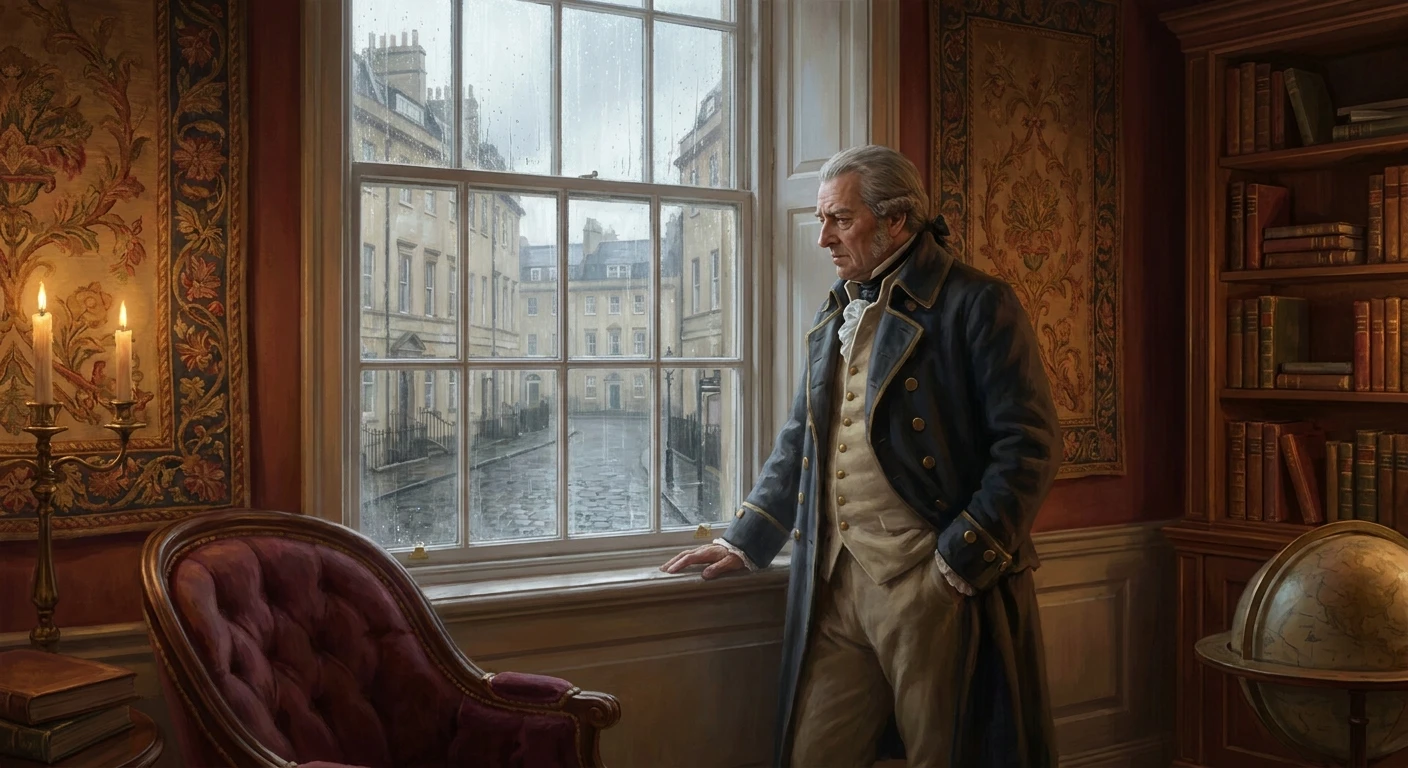
Discovering the Truth: Exactly How Did Arthur Phillip Die?
If you have ever found yourself scrolling late at night, randomly wondering exactly how did arthur phillip die, you definitely aren’t the only one fascinated by the quiet end of the man who founded modern Australia. Look, history is wild. We often picture great explorers meeting their fate in dramatic storms at sea or legendary battles. But the truth about Arthur Phillip’s passing is entirely different, yet equally gripping when you look closely. The main thesis here is simple: a man who survived the treacherous First Fleet journey, unbelievably harsh colonial conditions, and even a spear to the shoulder, ultimately passed away quietly in his twilight years from age-related decline back in his homeland.
Even now, as we navigate through 2026, retracing the steps of historical figures gives us a totally unique perspective on our own lives. A few months ago, I was actually wandering through the gorgeous, historic streets of Bathampton in England. I stood right there in St Nicholas Churchyard, looking at his memorial. It hit me just how incredibly normal his final chapter was, considering the absolute chaos of his earlier career. You can practically feel the history in the air there. He didn’t fall on a battlefield; he faded away after a lifetime of relentless duty.
To truly grasp the weight of his final days, we need to look at what his life looked like after he left the harsh shores of New South Wales. Once he resigned his post as Governor and sailed back to England in 1792, his health was already quite fragile. His diet had been poor, the stress was astronomical, and he needed rest. But honestly, he did not just sit in a rocking chair. Understanding his final chapter gives us massive context about his sheer resilience. For example, he actually returned to active naval duty after recovering, and he constantly managed chronic pain while commanding ships. The contrast between his public achievements and his private suffering is massive.
Here is a quick breakdown of his later life stages to give you a clear picture:
| Life Stage | Geographic Location | Health Status & Daily Life |
|---|---|---|
| Post-Australia Recovery (1793-1796) | London & Lymington, England | Recovering from malnutrition; slowly regaining strength to return to active naval service. |
| Return to Active Duty (1796-1805) | Various Naval Commands | Commanding ships and Sea Fencibles. Functioning well, but dealing with the early signs of aging. |
| Final Retirement (1805-1814) | Bath, Somerset, England | Declining mobility, chronic pain, eventual stroke, leading to a quiet life indoors. |
If we want to map out the core elements that defined his final years, here are the key factors you need to know:
- His relocation to Bath: He moved to 19 Bennett Street in Bath, a city famous for its healing waters, hoping to soothe his aging, aching body.
- The slow physical decline: Unlike a sudden accident, his health eroded gradually over a decade due to old age and previous physical traumas.
- The actual passing: He passed away peacefully on August 31, 1814, at the age of 75, surrounded by the quiet comfort of his home rather than the roar of the ocean.
The Origins of a Naval Commander
Before we can fully appreciate the way he left this world, we have to talk about where he started. Born in London in 1738 to a German language teacher and an English mother, Phillip was pretty much destined for a life of hard work. He didn’t come from massive wealth. He started out in the whaling industry, freezing in the Arctic, which honestly sounds like a nightmare, but it toughened him up. He joined the Royal Navy, saw action in the Seven Years’ War, and even spent time spying on French naval arsenals. The guy was practically an 18th-century James Bond before he ever saw a kangaroo.
The Evolution of His Colonial Career
His career truly leveled up when he was chosen to lead the First Fleet in 1787. Honestly, most people thought this mission was a suicide run. Taking eleven ships full of convicts, marines, and scarce supplies across the globe to build a settlement from scratch? Absolute madness. Yet, his leadership was the glue that held the starving colony of New South Wales together. He was fair, strictly rationed food equally among himself and the convicts, and tried his best to establish peaceful relations with the Indigenous Eora people, even though tensions eventually boiled over. It was this extreme stress and malnutrition that first began to crack his iron constitution.
The Modern State of His Legacy
Today, the way we remember him has completely evolved. While he was somewhat forgotten immediately after his passing, modern historians recognize him as the pragmatic, complex founder of European settlement in Australia. There are statues of him in Sydney, and Port Phillip is named in his honor. However, it took until 1997 for his burial site in Bathampton to actually get a proper memorial. People now view him through a highly analytical lens—balancing his remarkable survival skills with the devastating impact the colonization had on Australia’s First Nations people.
Medical Realities of the 19th Century
Let’s talk about the medical scene back in the 1810s. It was rough, to put it mildly. When trying to figure out his exact cause of death, we have to rely on the somewhat vague terminology of the era. Medical records didn’t look like our digital charts today. Doctors often diagnosed people with things like “dropsy” (edema or swelling) or “apoplexy” (strokes). Phillip was dealing with a body that had been battered by scurvy, harsh weather, and immense psychological pressure. Plus, remember that time in 1790 when he was speared in the shoulder at Manly Cove? While the wound healed, injuries like that leave behind severe arthritis and nerve damage that worsen with age.
Diagnosing Phillip’s Final Condition
By the time he settled in Bath, his mobility was heavily compromised. He essentially suffered from a mix of cardiovascular issues and sheer exhaustion of the body. He spent his final months mostly confined to his home, cared for by his second wife, Isabella. He reportedly suffered a stroke a few years before his death, which left him partially paralyzed.
- Scurvy After-Effects: Years of vitamin C deficiency at sea permanently weaken connective tissues and bones.
- Chronic Pain Syndrome: The untreated nerve damage from his spear wound likely caused him daily agony.
- Cardiovascular Decline: High stress and poor historical diets usually led to arterial blockages, culminating in ischemic strokes.
- Pneumonia Risk: Being bedridden in 1814 often resulted in fluid pooling in the lungs, a very common terminal event for the elderly.
If you are a total history buff and want to literally walk in his footsteps, I highly recommend this 7-day itinerary to retrace his life and final days. It is the perfect way to spend a week in England.
Day 1: Exploring His London Roots
Start your journey right in the heart of London, near Cheapside, where he was born. Walk the old streets and visit the National Maritime Museum in Greenwich. You will see artifacts from the 18th-century navy, giving you a tangible sense of the world he grew up in. It is wild to stand where he once stood as a young boy dreaming of the sea.
Day 2: The Naval Dockyards of Portsmouth
Grab a train down to Portsmouth. This is where the famous First Fleet actually set sail in May 1787. You can visit the historic dockyards and tour HMS Victory. While it’s a bit later than his time, the smell of tar and the cramped wooden decks will instantly show you how brutally hard his life at sea really was.
Day 3: Sailing the Solent
Take a local ferry or charter a small boat around the Solent—the strait that separates the Isle of Wight from the mainland of England. Phillip spent heavily active years here commanding the Sea Fencibles, basically a coastal defense militia bracing for a French invasion. The wind here is freezing, perfectly illustrating his tough working environment.
Day 4: Discovering His Retirement in Lymington
Head over to the charming coastal town of Lymington. When he first returned from Australia, he spent time here trying to recover his health. Walk along the marinas, grab some fish and chips, and imagine a heavily exhausted governor finally getting to sleep in a real bed without worrying about a colony starving to death.
Day 5: Relocating to Bath
Travel to the city of Bath. This place is famous for its Roman baths and elegant Georgian architecture. Phillip moved here specifically because the warm, mineral-rich waters were prescribed for joint pain and paralysis. Spend the afternoon soaking in the Thermae Bath Spa to get the exact physical relief he was searching for.
Day 6: The Final Residence at 19 Bennett Street
Walk over to 19 Bennett Street. You will see a commemorative plaque on the wall marking the house where he lived his final years and where he ultimately took his last breath. It is a quiet, upscale neighborhood. Standing on the pavement outside, you can easily picture the quiet, slow pace of his final days with his wife Isabella.
Day 7: Paying Respects at St Nicholas Church, Bathampton
Take a short trip just outside the city center to the tiny village of Bathampton. Visit St Nicholas Church. Inside, you will find the Australia Chapel, dedicated to him, and outside in the damp, green churchyard, you can visit his actual resting place. It is deeply peaceful, a fitting end to a beautifully chaotic life.
When dealing with history, rumors fly fast. Let’s clear up some massive misconceptions about his passing.
Myth: He was killed by Indigenous Australians.
Reality: While he was speared in the shoulder by an Aboriginal man at Manly Cove, it was a misunderstanding, not a fatal attack. He ordered his men not to retaliate, he healed, and he lived for another 24 years.
Myth: He died completely broke and forgotten.
Reality: Not true at all. He had a solid naval pension, reached the rank of Admiral of the Blue, and lived very comfortably in one of the most expensive cities in England.
Myth: He passed away while sailing back to England.
Reality: He survived the grueling voyage home in 1792 and lived all the way until 1814, passing safely in his own bed.
Got a few more burning questions? Here is a quick run-down to wrap up everything you need to know.
When exactly did Arthur Phillip die?
He passed away on August 31, 1814. It was a late summer day in England, completely devoid of the dramatic flair you might expect from a legendary pioneer.
Where is he buried?
His remains are located at St Nicholas Church in Bathampton, a small village right near the city of Bath in Somerset, England.
Was his grave ever lost?
Yes, strangely enough! For over a century, his grave was effectively lost and neglected. It wasn’t until 1897 that historians finally tracked down the exact location and cleaned it up.
Did he have any children beside him when he died?
No, he actually had no biological children. He was surrounded only by his second wife, Isabella, and his household staff.
How old was he at the time of his death?
He was 75 years old, which was honestly a remarkably long lifespan for a sailor in the 18th and 19th centuries.
Why did he actually leave Australia in the first place?
His health was failing rapidly. He was suffering from acute dietary deficiencies, exhaustion, and chronic pain, prompting him to formally request leave to return to England.
Are there living descendants of Arthur Phillip today?
Because he died childless, there are no direct, biological descendants alive today in 2026, though his indirect legacy lives on through the millions of people in modern Australia.
So, there you have it. The quiet, medical reality of a man who changed the map of the world. Next time someone asks you about history’s great explorers, you will know exactly the truth behind his final days. Feel free to share this guide with your fellow history-loving friends and plan that trip to Bath!
Leave a Reply