
Everything You Need to Know About Chipmunks Play Centre
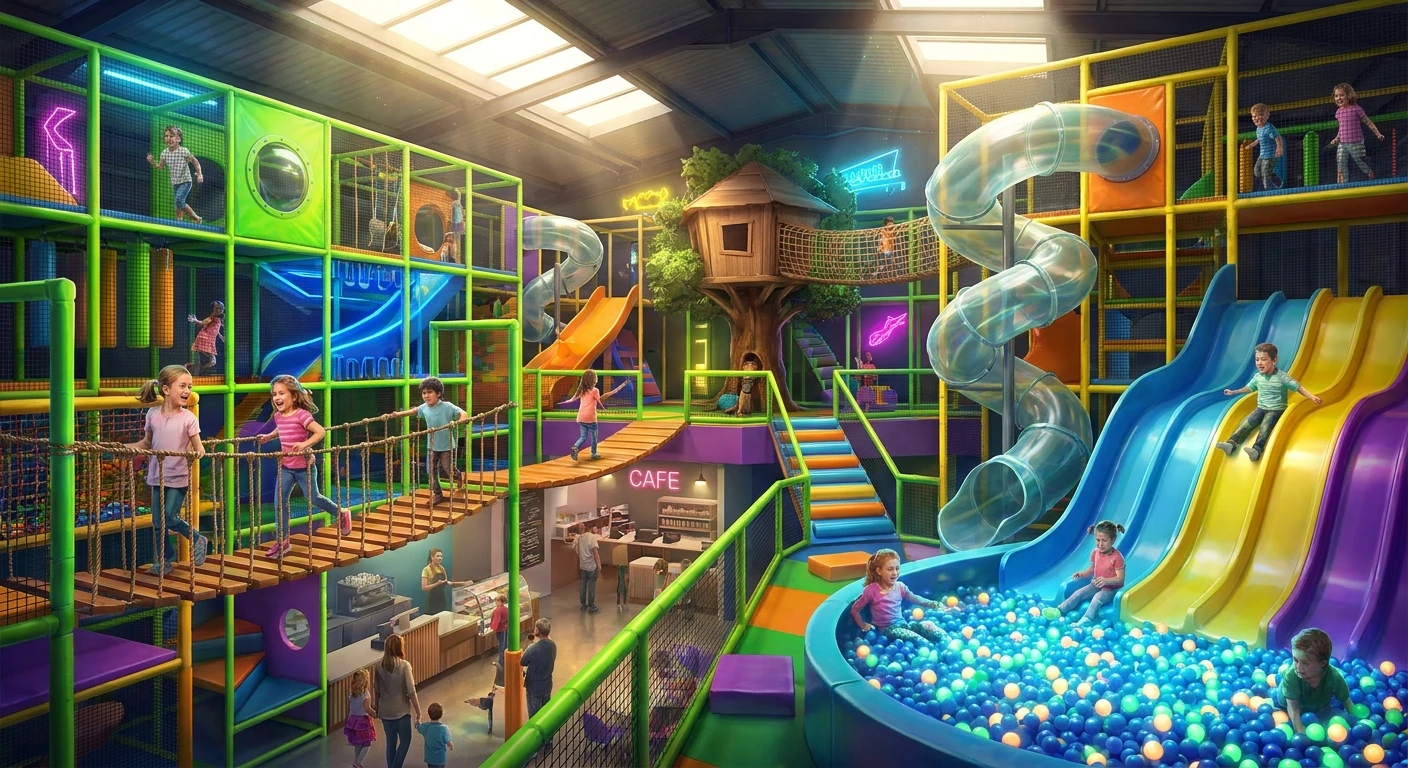
Finding the perfect indoor entertainment venue for energetic kids often leads parents directly to a Chipmunks Play Centre. You know the drill: the weekend arrives, the weather takes a sudden turn for the worse, and you have children bouncing off the walls with boundless energy. Instead of pacing the living room, redirecting that momentum into a safe, purpose-built environment offers a massive relief. This facility operates as a carefully engineered ecosystem designed specifically for childhood development, social interaction, and purely joyful physical exertion. It is not just a room with a few toys; it is a comprehensive, multi-tiered structure that challenges children physically while providing parents with a much-needed mental break. The concept relies on combining high-energy activities with strict safety protocols, ensuring that every jump, slide, and climb happens within a secure perimeter. The value of unrestricted, active play cannot be overstated, especially when structured environments dominate so much of early childhood. Here, kids dictate their own pace, choose their own adventures, and interact organically with peers. By offering a meticulously maintained space, the franchise has cemented its status as a reliable weekend destination, a premier birthday party venue, and a community hub for families seeking high-quality entertainment. Parents can grab a coffee, sit back with a clear line of sight, and watch their children navigate complex physical challenges that build confidence, strength, and resilience.
Understanding the full spectrum of benefits requires looking closely at how these venues are designed. A standard visit offers significantly more than just a quick burst of running around. The architectural layout intentionally separates different age groups to prevent collisions and ensure that the developmental challenges are perfectly scaled to the child’s abilities. For instance, the toddler areas feature softer materials, lower platforms, and sensory-focused wall panels, whereas the main structures for older children include steep slides, complex climbing webs, and obstacle courses that require strategic thinking to navigate. Value Proposition: The core value proposition of a premium indoor playground rests on two distinct pillars: physical health and social development. For example, a child navigating a multi-level maze is constantly problem-solving and developing spatial awareness. As a second example, the communal nature of a ball pit or a shared slide forces children to practice turn-taking, non-verbal communication, and boundary recognition with strangers. To maximize your experience and ensure a smooth visit, you should follow a few specific strategies.
Read also: Dorsett Gold Coast: Everything You Need to Know Before Stayi; Somerset Ho Chi Minh: Your Ultimate Stay Guide.
- Arrive early during off-peak hours to secure the best seating and let your children explore the equipment before the mid-day rush begins.
- Always utilize the designated grip socks, which prevent dangerous slips on the vinyl padding and maintain the strict hygiene standards of the facility.
- Establish a clear home base at the café seating area so your children always know exactly where to find you when they need a water break or a rest.
To illustrate how the floor plan caters to diverse needs, review the typical zoning layout found in these facilities.
| Zone Type | Target Age Group | Key Developmental Features |
|---|---|---|
| Toddler Soft Play | 0 to 4 Years | Padded crawling ramps, sensory touch panels, low-impact slides |
| Main Adventure Maze | 5 to 11 Years | Multi-level climbing nets, high-speed tube slides, obstacle courses |
| Café and Observation | Adults & Caregivers | Clear sightlines, comfortable seating, food and beverage access |
Origins of Indoor Play
The concept of commercialized indoor play spaces did not appear overnight. Decades ago, childhood recreation was almost exclusively an outdoor endeavor, reliant on municipal parks, neighborhood streets, and backyard swing sets. However, as urban density increased and dual-income households became the norm, the need for safe, weather-independent recreation grew exponentially. Early iterations of indoor play were often small, secondary additions to fast-food restaurants in the late 1980s, designed merely as a brief distraction while eating. These early ball pits and plastic tubes proved incredibly popular, highlighting a massive gap in the market for dedicated family entertainment centers.
Evolution of the Franchise Model
As the demand for larger, cleaner, and more elaborate play structures increased throughout the 1990s and early 2000s, standalone indoor playgrounds began to emerge. The franchise model became the most efficient way to scale this concept, allowing operators to standardize safety protocols, equipment quality, and customer service. By centralizing the design of the play structures, companies could invest heavily in structural engineering, ensuring that massive multi-level mazes could safely hold the weight of dozens of running children. This era saw the introduction of sophisticated netting, high-grade impact-absorbing foam, and rigorous cleaning schedules, transitioning the industry from novelty attractions into legitimate weekend staples for families.
Modern State of Play Centres
Today, the industry represents the pinnacle of childhood entertainment engineering. Modern facilities are massive, climate-controlled arenas featuring integrated technology, interactive floor games, and gourmet cafés. The focus has shifted from merely exhausting children to providing a holistic family experience. Modern safety standards dictate everything from the specific gauge of the safety netting to the non-toxic properties of the cleaning chemicals used after hours. Furthermore, the modern business model relies heavily on private event hosting, with dedicated party rooms and customized catering packages making these venues the default choice for stress-free birthday celebrations. The evolution continues as centers integrate more inclusive play options designed for children with sensory processing sensitivities.
The Biomechanics of Active Play
Behind the bright colors and loud laughter lies a meticulously crafted environment designed to stimulate specific physiological and cognitive developmental milestones. The physical challenges presented by the equipment are not random; they are engineered to force children to engage multiple muscle groups simultaneously. When a child climbs a suspended cargo net, they are engaging in complex bilateral coordination, requiring the brain to communicate effectively across both hemispheres to move the left arm and right leg in synchronized harmony. This type of active play directly influences gross motor skill development, which is foundational for everything from athletic ability to basic posture.
Psychological Benefits of Controlled Risk
Another critical element of these environments is the concept of controlled risk. Children inherently crave activities that test their boundaries, such as climbing to high platforms or descending steep slides. These facilities provide the illusion of danger while completely mitigating actual physical risk through heavy padding and enclosed structures. Navigating these perceived risks builds immense psychological resilience and self-confidence.
- Proprioception enhancement: Navigating uneven, padded surfaces forces the brain to constantly process the body’s position in space, strengthening joints and improving overall balance.
- Vestibular system stimulation: Activities like spinning, swinging, and sliding activate the inner ear, which is crucial for maintaining equilibrium and spatial orientation.
- Cognitive mapping: Finding the way through a three-story maze requires short-term memory, strategic planning, and spatial reasoning to find the correct exit.
- Bone density improvement: The high-impact nature of running, jumping, and landing in safe zones provides the necessary skeletal stress to promote healthy bone growth in developing bodies.
Step 1: Pre-Visit Planning and Packing
A successful trip requires a bit of logistical preparation. First, ensure you have the appropriate attire ready. Grip socks are universally mandated to prevent slips and maintain sanitation, so pack multiple pairs. Dress children in lightweight, breathable clothing, preferably long pants to avoid friction burns on the faster plastic slides. Pack a dedicated water bottle for each child, as the constant physical exertion will lead to rapid dehydration. Having a small first-aid kit with basic bandages is always a smart move for minor scrapes.
Step 2: Strategic Arrival and Check-In
Timing your arrival can make or break the experience. Arriving right when the doors open on a Saturday guarantees you a prime table near the play structure entrance, allowing you to establish a secure home base. During check-in, familiarize yourself with the venue’s security protocols, which often include matching wristbands for parents and children to prevent unauthorized exits. Take a brief moment to point out the restrooms and your designated table to your children before letting them run off.
Step 3: Conquering the Toddler Zone First
If you have children under five, mandate that their first ten minutes are spent in the dedicated toddler zone. This allows them to warm up their muscles and get accustomed to the noise and energy of the facility in a low-stakes environment. The softer blocks, smaller ball pits, and gentle ramps are perfect for easing a shy child into the experience without the overwhelming presence of older, faster kids.
Step 4: Transitioning to the Main Multi-Level Structure
Once your child is confident, they will naturally gravitate toward the massive central maze. Set clear ground rules before they enter: no climbing up the slides, no pushing, and always wait for the person in front to clear the landing zone. Encourage them to try different routes through the structure. If they get stuck or scared at the top, guide them verbally from the outside netting rather than immediately climbing in to rescue them, fostering their independence.
Step 5: Scheduled Hydration and Nutrition Breaks
Children will often ignore their own bodily needs when highly stimulated. Enforce a mandatory water break every thirty minutes. Use this time to have them sit at your table, cool down, and perhaps share a light snack from the café. This brief pause prevents overheating, reduces the chance of cranky meltdowns later in the day, and gives you a chance to reapply any necessary grip socks that may have slipped off.
Step 6: Interactive and Cooperative Games
Encourage your children to engage with others. The environment is perfect for spontaneous games of tag or cooperative fort-building with the large foam blocks. If your child is hesitant, suggest they find someone to race down the dual-lane slides. These interactions are vital for building social confidence and learning how to navigate shared spaces with children they have never met before.
Step 7: The Cool-Down and Exit Strategy
Leaving the playground is notoriously the hardest part of the trip. Avoid the abrupt “we are leaving right now” announcement. Instead, give a fifteen-minute warning, followed by a five-minute warning. Suggest a final, low-energy activity to end the day, such as one last ride on the slowest slide or a quick game in the toddler area. Have their regular shoes ready at the table so the transition out the door is seamless and tantrum-free.
Myths & Reality
Myth: Indoor entertainment venues are breeding grounds for germs and are rarely cleaned properly.
Reality: Commercial venues employ strict, hospital-grade sanitization protocols. High-touch surfaces are wiped down continuously, and ball pits utilize specialized UV vacuum machines to thoroughly disinfect every single plastic sphere overnight.
Myth: These spaces are too chaotic and dangerous for toddlers or babies.
Reality: Premium venues feature strictly enforced, heavily padded zones exclusively for children under four. These areas are designed specifically for early motor skill development without the interference of older kids.
Myth: Parents must constantly climb through the claustrophobic tubes to supervise.
Reality: Modern architecture prioritizes clear, unobstructed sightlines from the café seating area. The open netting design allows adults to monitor their children visually from a comfortable distance.
Myth: The experience offers nothing but mindless physical exhaustion.
Reality: The structures are meticulously engineered puzzles that force children to use spatial reasoning, balance, and problem-solving skills to navigate the varying levels successfully.
What age group is most appropriate?
The equipment is generally optimized for children ranging from 1 to 11 years old, with strictly separated zones to accommodate the vast differences in physical capability between a crawling infant and a running pre-teen.
Are grip socks absolutely mandatory?
Yes, standard policy across the industry requires grip socks for both safety and hygiene. They prevent dangerous slips on smooth vinyl surfaces and stop the spread of foot-borne bacteria.
Can you bring outside food and drinks?
Most commercial facilities prohibit outside food due to severe allergy concerns and to support their internal café operations, though exceptions are usually made for baby formula or specific medical dietary needs.
Do they host private birthday parties?
Absolutely. Hosting private, fully catered birthday parties is a massive component of their business model, typically offering dedicated party rooms, a host, and unlimited play time.
Is there a strict time limit on entry?
During standard weekdays, entry is often unlimited. However, during peak weekend hours or school holidays, management may enforce a two-hour time limit to ensure safe capacity levels.
How often is the equipment actually sanitized?
Staff conduct spot-cleaning of high-traffic areas throughout the day, while deep chemical sanitization and machine-washing of loose items occur every night after the doors close.
Are there dedicated quiet zones for overstimulated kids?
Many modern facilities are beginning to incorporate sensory-friendly quiet corners or specific low-stimulation hours to accommodate children who become overwhelmed by the loud noises and bright lights.
Creating a reliable plan for energetic days is essential for family harmony. Choosing a high-quality venue like a Chipmunks Play Centre guarantees a safe, physically engaging, and developmentally beneficial experience for your children while giving you a well-deserved moment of peace. From mastering the multi-level mazes to socializing in the toddler zones, the benefits extend far beyond a simple afternoon of fun. Grab your grip socks, pack your water bottles, and plan your next weekend adventure today to see the positive impact of unrestricted active play for yourself.
Leave a Reply