Who is the Most Popular Person in the World?
Have you ever asked yourself: who is the most popular person in the world right now? I was sitting at a lively café near the Golden Gate in Kyiv just last week, sipping a double espresso, when a massive debate erupted at our table. My friend swore it was Elon Musk, purely based on the noise he makes on X (formerly Twitter) every single day. My sister argued passionately that it had to be Taylor Swift due to her massive stadium tours that literally cause seismic activity. And the barista? He just laughed, wiped down the espresso machine, and said, “It’s Cristiano Ronaldo, check the raw numbers, folks.” This spontaneous argument got me thinking deeply about the true metrics of global fame. We all crave connection, and understanding who commands the absolute most attention gives us a fascinating mirror into our collective culture. The concept of massive popularity isn’t just about recognizable faces on billboards anymore; it is a complex blend of raw algorithmic data, social media supremacy, and deep parasocial bonds that span continents. So, how do we actually measure this accurately? We have to look at the numbers, the direct influence, and the global footprint. You can’t just guess who sits on the global throne. You need hard data. Whether it’s an athlete kicking a football, a pop star breaking digital streaming records, or a tech billionaire launching rockets into orbit, the reality of absolute global reach is staggering and endlessly fascinating.
Let’s break down the core mechanics of top-tier fame. When evaluating exactly who holds the crown, you have to look across multiple digital ecosystems to get the full picture. The sheer volume of digital followers gives us a highly quantifiable answer to the fame question. Cristiano Ronaldo frequently tops the charts across nearly every unified metric, making him undeniably the most followed individual on the planet. But then you have figures like Selena Gomez or MrBeast dominating specific platforms like Instagram or YouTube with fierce loyalty. What makes them stick in our minds so effectively? The value proposition of a global icon usually falls into three distinct categories: aspirational lifestyle, extreme entertainment, or visionary disruption. For example, Ronaldo offers peak athletic inspiration—millions of people follow him to see what ultimate human dedication and physical perfection looks like on a daily basis. On the flip side, MrBeast offers radical generosity and mind-bending spectacle; his viewers know they are guaranteed a massive dopamine rush of high-budget entertainment every single time they click a thumbnail. Let’s look at a concrete breakdown of these cultural titans to see how they stack up.
| Public Figure | Primary Platform | Core Appeal |
|---|---|---|
| Cristiano Ronaldo | Sports Excellence & Aspirational Lifestyle | |
| MrBeast | YouTube | High-Stakes Spectacle & Philanthropy |
| Elon Musk | X (Twitter) | Tech Innovation & Daily Provocation |
You might wonder what sets these specific individuals apart from standard Hollywood celebrities or local influencers. It essentially boils down to a few distinct pillars of unshakeable global influence:
- Relentless Consistency: They never stop publishing content. Whether it is a quick match highlight, a behind-the-scenes gym photo, or a massive highly-edited video, they feed the algorithm daily to stay top of mind.
- Global Accessibility: Their core content transcends spoken language barriers. A spectacular football goal, a massive explosion, or a sleek new spaceship needs absolutely no translation to be understood in Tokyo, Kyiv, or New York.
- Interactive Community Building: They don’t just broadcast messages into the void; they actively create digital ecosystems where fans feel like valued participants rather than just passive spectators.
Origins of Celebrity
The concept of mass fame is absolutely not new, even if the digital platforms we use today are. Thousands of years ago, the most universally recognized figures were conquerors, emperors, or iconic religious figures. Think about Alexander the Great or Julius Caesar commanding vast territories. Their “followers” were their citizens, subjects, and soldiers. They spread their personal image not through viral internet videos, but by stamping their faces directly onto literal metal coins. If you had a Roman coin in your pocket, you knew exactly what the emperor looked like. That was the earliest and most effective form of mass visual distribution. The power dynamic of ancient fame was strictly top-down, relying entirely on military might and state-sponsored messaging to maintain a dominant cultural presence across empires.
Evolution Through Broadcast Media
Fast forward to the 20th century, and the nature of fame shifted entirely due to technology. The rapid invention of the radio, mainstream cinema, and television created the modern “star” as we know it. Figures like Muhammad Ali, Marilyn Monroe, and Michael Jackson achieved a staggering level of global recognition that ancient kings could only dream of possessing. Broadcast media allowed their voices, movements, and faces to beam directly into millions of living rooms simultaneously across the globe. However, this era of fame was heavily gatekept by powerful executives. You strictly needed a film studio, a major record label, or a massive television network to greenlight your ascent to stardom. The audience could only passively consume the media; they could not talk back or interact with the stars.
Modern State of Superstardom
Now, as we actively navigate the digital landscape of 2026, the entire architecture of fame is completely decentralized yet paradoxically centralized around just a few massive tech platforms. You definitely don’t need a traditional television network to become universally known anymore; you merely need a smartphone, internet access, and a deep understanding of algorithmic distribution. The technical barrier to entry is virtually zero, but the global competition for human attention is infinite. Today’s most prominent figures completely bypass traditional media. They wholly own their digital distribution channels. A single casual post from a top-tier influencer can organically generate more impressions in an hour than a primetime television show does in an entire week. This massive cultural shift from curated broadcast media to algorithmic social proof is the singular defining characteristic of modern global influence today.
The Neuroscience of Fame
Why do we actually care so profoundly about distant figures we have never met? The hard science behind our deep obsession with public figures is deeply rooted in evolutionary biology and human psychology. Our primate brains are literally hardwired to track the high-status individuals operating within our extended tribe. When we continuously scroll through our digital feeds, our brain doesn’t completely differentiate between a close real-life friend and a digital celebrity we see every single day on a glowing screen. This cognitive quirk creates what sociologists and psychologists call “parasocial relationships”—intense, one-sided psychological bonds where the viewer genuinely feels an intimate, personal connection with the creator. Every single time a major global figure likes a fan comment or posts a spontaneous, unedited vlog, it triggers a powerful dopamine release in the fan’s brain, constantly reinforcing the psychological attachment.
Algorithmic Amplification Mechanics
From a strictly technical standpoint, the complex algorithms governing modern social networks are specifically designed to identify and relentlessly accelerate high-engagement digital nodes. When a prominent figure reaches a certain critical mass of attention, they mathematically benefit from the “Matthew Effect”—a sociological phenomenon where the rich get richer. Their highly engaging content is pushed aggressively not just to their current followers, but to massive lookalike audiences across the globe via recommendation engines.
Let’s look at some fascinating scientific and technical realities of this ecosystem:
- Dunbar’s Number Overload: Humans can typically maintain only about 150 stable social relationships. However, modern digital platforms force our brains to track thousands of micro-relationships simultaneously, automatically elevating the most frequent, high-status faces to the absolute top of our cognitive hierarchy.
- Algorithmic Velocity Metrics: Neural networks aggressively measure exactly how quickly a new post receives intense engagement in the first ten minutes of publication. Top figures have millions of user push notifications enabled, guaranteeing maximum initial velocity and forcing their content straight onto global “Explore” pages.
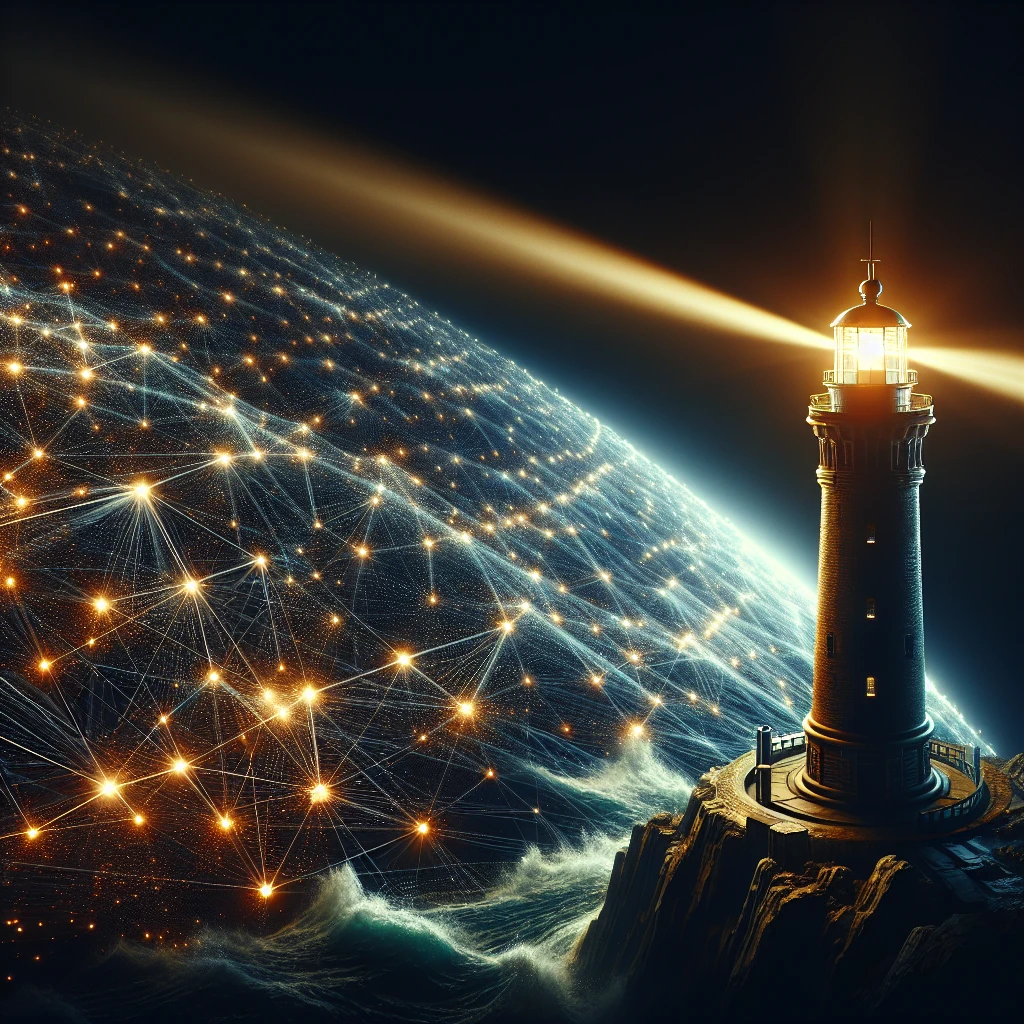
- Network Graph Density: Highly popular individuals act as massive super-nodes within a network. Their followers frequently also follow each other, creating incredibly dense, interconnected social graphs that make the celebrity’s cultural influence virtually inescapable within specific digital clusters.
Want to aggressively build your own lasting influence? Even if you never ultimately become the absolute most recognized face on the entire planet, you can effectively use the exact same digital principles to completely dominate your specific professional industry. Here is a highly robust, hardcore 7-day blueprint to engineering massive digital attention for your brand.
Day 1: Define Your Micro-Niche
You cannot possibly be everything to everyone right away. The absolute biggest stars originally started with a very specific, narrow focus. Ronaldo had professional football; MrBeast had gaming and bizarre stunts. Pick one hyper-specific topic where you have an unfair advantage, deep expertise, or a highly unique perspective. Clearly document your core message and your ultimate target audience.
Day 2: Construct the Content Architecture
Meticulously map out your exact content formats. You absolutely need short-form hooks (Reels, Shorts, TikToks) to effectively capture cold attention, and long-form content (podcasts, long essays, newsletters) to build deep, enduring trust with your audience. Sit down and aggressively plan out ten pieces of short-form content and two major pieces of long-form content.
Day 3: Select Your Primary Engine
Do not foolishly try to master five different social platforms at once. Choose exactly one primary digital engine where your target audience currently lives. If you are highly visual, master Instagram or TikTok completely. If you are analytical and text-driven, conquer X or LinkedIn. Focus all your aggressive growth tactics entirely on this single platform.
Day 4: Implement the Engagement Strategy
Organic growth requires massive outbound digital effort. Identify twenty major creators currently operating in your chosen niche. Turn on all their account notifications. The very second they post new content, jump in and leave a highly valuable, deeply insightful comment. You will legally siphon a fraction of their massive audience’s attention directly toward your own profile.
Day 5: Solidify Visual Identity
Human beings process visual data up to 60,000 times faster than written text. Make absolutely sure your profile picture, digital banners, and video thumbnail styles are stark, highly recognizable, and strictly consistent. When someone sees your specific hex code color palette or typography font, they should instantly and effortlessly know it is you.
Day 6: Cross-Pollination and Networking
Actively reach out to digital creators who are currently at your exact follower level. Do not aim for the unreachable superstars just yet. Pitch a mutually beneficial collaboration. By strategically swapping highly engaged audiences with three different digital peers, you create a massive compound growth effect without spending a single dollar on paid advertising.
Day 7: Analyze and Calibrate
Look intensely at the raw analytics data. Which specific video got the highest viewer retention? Which written post got bookmarked and shared the most? Completely ignore the useless vanity metrics like raw views; look strictly at the average watch time and the share velocity. Double down aggressively on whatever specific format performed the absolute best.
Let’s completely crush some highly persistent illusions about achieving global fame and visibility.
Myth: Becoming universally known happens practically overnight.
Reality: Look closely at the historical timelines. The absolutely biggest names usually have a grueling decade of silent, relentless grinding behind them. What the public perceives as sudden overnight success is literally just the precise moment the algorithm finally caught up with their massive, undeniable backlog of hard work.
Myth: Massive digital popularity guarantees immense cash flow automatically.
Reality: Raw digital attention does not automatically equal sustainable revenue. There are thousands of influencers with millions of followers who cannot manage to sell out a small local comedy venue. You absolutely have to actively build smart monetization systems directly behind the attention you generate.
Myth: You urgently need traditional media approval to reach the global top.
Reality: Traditional television and print media now desperately chase internet creators for ratings, not the other way around. The cultural power dynamic has entirely and permanently flipped.
Myth: It is all entirely based on random luck and good timing.
Reality: While timing obviously plays a minor role, top-tier global visibility is strictly a byproduct of relentless iteration, hard data analysis, and extreme psychological resilience against failure.
Is Cristiano Ronaldo actually the most followed person?
Yes, across unified digital platforms, especially Instagram, his staggering follower numbers completely dwarf almost every other human operating on earth today.
Does Taylor Swift hold the top spot for musicians?
Absolutely. Her record-breaking recent stadium tours and monumental digital streaming numbers have firmly solidified her as the apex cultural icon in the modern music industry.
How does Elon Musk rank in global popularity?
He utterly dominates the technology and business sphere, aggressively leveraging his outright ownership of the X platform to maintain constant, daily global visibility and influence.
Can a digital YouTuber truly compete with traditional athletes?
Yes, without a doubt. Digital creators like MrBeast routinely pull massive viewership numbers that easily rival or outright surpass major broadcast events like the Super Bowl on a monthly basis.
Do massive follower counts automatically equal real popularity?
Not always. Digital followers can often be highly passive or entirely inactive. True global popularity is accurately measured by active, rabid engagement and undeniable cultural impact.
Is speaking English required for massive global fame?
No. Dominant athletes and international musicians (like massive K-pop stars) constantly prove that overwhelming visual and emotional appeal transcends spoken language barriers completely.
Will AI virtual influencers completely take over?
While digital virtual avatars are certainly gaining ground, human beings still deeply crave authentic, messy, real-life parasocial connections with actual flesh-and-blood people.
In the end, tracking exactly who commands the absolute most attention is a deeply fascinating study of modern human psychology and digital network architecture. The cultural landscape shifts incredibly rapidly, but the rock-solid core principles of endless consistency, extreme audience value, and strict algorithmic mastery remain exactly the same. The very next time you find yourself debating this exact topic at a local coffee shop, you will have the precise metrics and sociological understanding to back up your claim. Start analyzing these massive cultural titans, aggressively apply their growth principles to your own digital life, and watch your own professional influence scale to incredible new heights!
Leave a Reply