
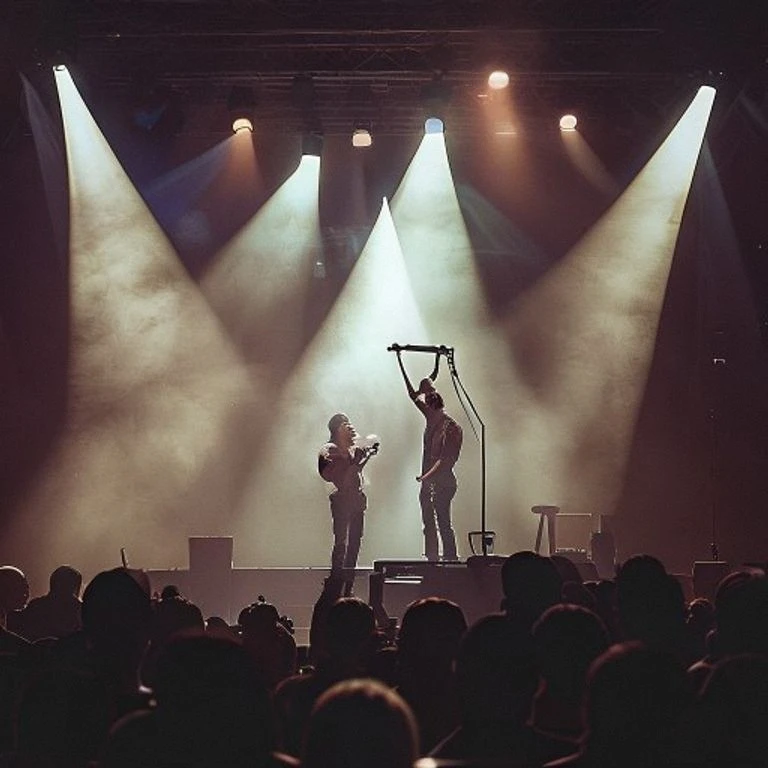
Remembering the Best 90s singers
Do you ever catch yourself humming a tune from the legendary 90s singers when you are just walking down the street? I know I do, constantly. The voices from that specific decade did not just define an entire generation; they set a vocal and stylistic benchmark that today’s artists are still desperately chasing. There is something deeply authentic about the music from that era that instantly connects with our emotions. Growing up in Kyiv back then, cassette tapes were practically our local currency. I distinctly remember buying a bootleg compilation of top global and local stars at the bustling Petrivka market. The sound quality was absolutely terrible, muddy and full of static, but the sheer power of those voices cut right through the heavy tape hiss. You would trade a Mariah Carey tape for an Iryna Bilyk album, bonding over the raw emotion both brought to the table. We did not care about pristine audio fidelity; we cared about feeling the music in our bones. Those artists sang with a level of passion that feels incredibly rare right now. They relied on sheer lung capacity and emotional grit rather than digital perfection, making every single performance a totally unique experience. Whether it was a soaring pop ballad playing on a boombox or a gritty rock anthem echoing from a basement, those vocals became the ultimate soundtrack to our youth. They shaped our fashion, our attitudes, and our understanding of what true musical talent actually looks like.
When you really think about it, the value proposition of these vocalists is absolutely massive. They offered unfiltered human emotion. You could literally hear the heartbreak, the anger, or the pure joy cracking through their voices. Today, we are so used to polished, perfect tracks that we forget how beautifully flawed real singing can be. For example, Whitney Houston’s incredible melisma wasn’t mapped out on a computer; it was pure, unadulterated soul flowing out in real-time. Similarly, Layne Staley’s haunting harmonies brought a terrifyingly real darkness to grunge that no digital effect could ever replicate.
| Singer | Dominant Genre | Signature Vocal Move |
|---|---|---|
| Mariah Carey | Pop / R&B | Flawless Whistle Register |
| Kurt Cobain | Grunge / Alt Rock | Aggressive Vocal Fry |
| Celine Dion | Pop Ballad | Powerhouse Chest Belting |
So, why do we keep coming back to them? Here is exactly why these artists still dominate our playlists:
- Unmatched Technical Skill: They had to actually hit the notes live in the studio, straight to tape, without the safety net of modern digital pitch correction.
- Emotional Authenticity: They channeled real-life struggles into their deliveries, making listeners feel genuinely seen and understood.
- Iconic Timbre: You can identify their voices within literally one second of a song starting. They had entirely unique vocal fingerprints.
That level of individuality is exactly what makes them timeless. They didn’t try to sound like anyone else; they just sounded like themselves, loud and unapologetic. And honestly, that is a lesson we could all use right now.
Origins of the Decade’s Sound
To really grasp where these artists came from, you have to look at what they were reacting against. The 1980s were totally dominated by synthesizers, drum machines, and heavily processed pop music. It was a wildly fun era, but eventually, people got tired of the artificiality. As the new decade dawned, there was a massive cultural craving for authenticity. Audiences wanted real instruments and, most importantly, real, raw voices. This shift birthed a totally new landscape where acoustic guitars and unpolished vocals were suddenly the coolest things on the planet. The MTV Unplugged series became a cultural phenomenon precisely because it stripped away the studio magic, forcing vocalists to rely solely on their natural talent and emotional delivery.
Evolution of Pop and Grunge
As the decade progressed, we saw two totally different vocal styles completely take over the mainstream. On one side, you had the powerhouse pop divas. These women pushed the absolute limits of human vocal ranges, turning huge ballads into Olympic-level athletic events. They combined gospel roots with slick R&B production to create something gigantic. On the completely opposite end of the spectrum, the Pacific Northwest was brewing grunge. These frontmen actively rejected the polished perfection of pop. They sang with intense grit, utilizing heavy vocal fry, screaming, and a sloppy, slurred delivery that perfectly captured the apathy and frustration of Generation X. It was a gorgeous contrast: soaring perfection on the pop charts, and beautifully ugly realism on the rock charts.
Modern State of the Icons
Fast forward to the current landscape. We are living in 2026, and shockingly, the demand for these legends has practically skyrocketed again. Gen Z and Generation Alpha are digging through digital archives and completely falling in love with this era. Viral social media trends frequently revive obscure 90s tracks, sending them straight back to the top of the global streaming charts. The surviving artists are playing sold-out arena tours to crowds composed of original fans and teenagers who just discovered them last week. This proves that real, tangible talent never actually expires; it just waits for the next generation to rediscover it.
Vocal Acoustics of the Era
Let’s talk about the actual science behind what makes those voices sound so completely different from what we hear today. Singing is essentially controlled yelling, involving complex physics within the vocal cords. During this era, techniques like heavy belting became the industry standard for pop. Belting requires immense subglottic pressure—basically, pushing a massive amount of air from the diaphragm against tightly closed vocal folds. This creates a sound rich in high-frequency overtones, which is exactly why a Celine Dion chorus feels so piercing and triumphant. Meanwhile, the rock vocalists were heavily utilizing the ‘vocal fry’ register, which happens when the vocal cords are relaxed and air bubbles through them slowly, creating a low, rattling frequency that humans instinctively associate with raw emotion and distress.
Analog Recording Techniques
The equipment used to capture these performances was fundamentally different, relying on pure physics rather than binary code. The transition from analog magnetic tape to digital workstations was happening right in the middle of this decade, but many legendary albums were still cut strictly to tape. This analog process introduced a totally unique scientific phenomenon called tape saturation.
- Harmonic Distortion: When a singer sang loudly into an analog tape machine, the tape couldn’t capture the peak perfectly, gently flattening the sound wave and adding warm, pleasant harmonics.
- Dynamic Range: Without intense digital limiters, the difference between the quietest whisper and the loudest scream was massive, creating a physical reaction in the listener’s ear.
- Frequency Response: Analog gear naturally rolled off the ultra-high, harsh frequencies, resulting in a smoother, rounder vocal tone that didn’t fatigue the ear over time.
These physical limitations of the studio gear essentially acted as an extra band member, shaping the vocal tone into something incredibly warm, vibrant, and deeply human.
Day 1: Exploring the Pop Divas
Your journey begins at the absolute top of the vocal mountain. Start your week by blasting the monumental tracks from Whitney Houston and Mariah Carey. Pay close attention to their breath control and how they seamlessly transition from a soft, breathy falsetto right into a full-chested powerhouse belt. Try to map out the sheer physical stamina required to deliver these performances live. It is an awe-inspiring masterclass in vocal gymnastics.
Day 2: The Grunge Vocalists
Switch gears entirely and embrace the dirt. Throw on Nirvana, Alice in Chains, and Soundgarden. Focus on how these singers use intentional imperfections to tell a story. Chris Cornell’s multi-octave wail and Kurt Cobain’s throat-shredding screams aren’t about sounding pretty; they are about communicating pure angst. Notice how their voices blend with the heavily distorted guitars to create a wall of intense sound.
Day 3: R&B Harmony Groups
Midweek is for smooth grooves. Listen to Boyz II Men, TLC, and En Vogue. Here, the magic is not just in the lead vocal, but in the incredibly complex vocal arrangements. Pay attention to how four or five different voices stack on top of each other to create thick, jazz-influenced chords. They built entire harmonic worlds using absolutely nothing but their own throats.
Day 4: Britpop Frontmen
Time to cross the Atlantic. Check out Oasis, Blur, and Pulp. The vocal style here is completely different—it is arrogant, conversational, and heavily accented. Liam Gallagher’s sneering, nasal delivery is practically a masterclass in using attitude over technical perfection to command an audience’s attention. It is loud, proud, and completely infectious.
Day 5: Ukrainian and Eastern European Pioneers
Keep things local and nostalgic. Listen to the early releases from Iryna Bilyk or the very first Okean Elzy tracks. Notice how they blended Western pop and rock influences with deeply poetic, soulful Slavic melodies. The lyrical delivery is incredibly passionate and slightly melancholic, perfectly capturing the spirit of a newly independent nation finding its own modern voice.
Day 6: The Eurodance Anthems
Get ready to move. Put on Haddaway, Corona, or La Bouche. People often write off dance music vocals, but these singers were belting massive, soulful gospel melodies over frantic 120-BPM synthesizer beats. They brought a profound sense of human soul to cold, electronic club music, proving that a great voice can elevate absolutely any genre.
Day 7: Acoustic Singer-Songwriters
Wind down your week with the introspective poets. Alanis Morissette, Tracy Chapman, and Jewel. Focus on their conversational, storytelling tone. They utilize quirky vocal flips, yodels, and dramatic shifts in volume to make it feel like they are sitting right next to you, confessing their deepest secrets in a quiet room. It is beautifully intimate.
Myth: The biggest stars from this era did not write their own music.
Reality: While some pop acts relied heavily on professional songwriters, a massive chunk of the decade’s biggest vocalists—like Mariah Carey, Kurt Cobain, and Alanis Morissette—penned their absolute biggest hits themselves, deeply infusing their own personal experiences into the lyrics.
Myth: Autotune was everywhere back then.
Reality: Pitch correction software wasn’t actually invented until 1997, and it wasn’t widely used as a stylistic effect until the very end of the decade. Almost everything you hear from the early and mid-90s is just natural talent and endless studio takes.
Myth: Grunge singers entirely lacked proper technique.
Reality: Despite their ragged sound, singers like Chris Cornell had formally trained, multi-octave ranges and understood precisely how to protect their vocal cords while executing intense, raspy screams.
Myth: Electronic dance music didn’t feature real singing.
Reality: The Eurodance explosion was heavily powered by former gospel and R&B singers who laid down incredibly complex, powerful live vocals over synthesized beats.
Who were the most successful female vocalists of the era?
The charts were totally dominated by the ‘Vocal Trinity’: Whitney Houston, Mariah Carey, and Celine Dion, who collectively sold hundreds of millions of records globally.
Did 90s artists use pitch correction?
For the vast majority of the decade, no. Vocalists had to sing precisely on pitch or do another take, resulting in a much more human, organic sound.
What completely defined the grunge vocal style?
It was defined by a rejection of polish, featuring heavy use of vocal fry, slurred diction, and massive dynamic shifts from quiet murmurs to screaming choruses.
Are any of these artists still performing today?
Absolutely. Many of these icons are still headlining massive global tours in 2026, proving the enduring power of their live vocal abilities.
What made the decade’s R&B so incredibly unique?
It was the golden age of complex vocal layering and intricate, multi-part harmonies performed flawlessly by groups rather than just solo acts.
How did MTV impact these singers?
MTV made image crucial, but properties like MTV Unplugged also forced artists to prove they could actually sing without heavy studio production backing them up.
What is the absolute best way to experience this music now?
Finding original vinyl pressings or uncompressed lossless digital audio files gives you the truest representation of the original studio warmth and vocal clarity.
Looking back, it is crystal clear why we are all still hopelessly obsessed with these legendary voices. They captured a chaotic, rapidly changing world with sheer, unfiltered emotion and unparalleled skill. They taught us how to feel deeply and unapologetically. So, what are you waiting for? Grab your headphones, fire up your favorite streaming app, and start building your ultimate nostalgic playlist today!
Leave a Reply