The Magic of Doris Day Songs
When you listen to Doris Day songs, you immediately hear the gold standard of American pop and jazz vocals from the mid-twentieth century. Her voice carries a unique warmth, crystal-clear diction, and an effortless swing that defines a golden era of music. You do not just hear a singer; you hear an absolute master of phrasing and emotional delivery. Her catalog spans decades, moving from big band swing to intimate jazz, and eventually landing on chart-topping Hollywood anthems. For anyone wanting to understand how pop vocal phrasing evolved before the rock-and-roll explosion, her discography is an absolute must-listen. You get a direct line to the post-war American musical landscape, where big bands gave way to solo star vocalists. The sheer volume of her recordings guarantees that whether you want a melancholy torch song or an upbeat, optimistic anthem, she recorded a flawless version of it. Musicians and vocal coaches still reference her work constantly because she possessed an uncanny ability to convey genuine emotion without ever over-singing. If you want to know what flawless vocal control sounds like, just put on one of her records.
Understanding her massive body of work gives you a masterclass in musical interpretation. She worked alongside some of the greatest arrangers and bandleaders in history, resulting in a perfectly curated blend of jazz, pop, and traditional standards. You can hear her influence in almost every female jazz and pop vocalist who followed her.
Read also: Best 90s singers: Iconic Voices of a Generation; Top Australian Singers Male You Need to Hear Right Now.
Why Her Music Remains Essential
There is a massive benefit to thoroughly exploring this musical catalog. For vocalists, it is an education in breath control and vowel shaping. For casual listeners, it is pure, unadulterated joy and emotional resonance. The value proposition here is simple: you gain access to a treasure trove of music that automatically elevates your mood and broadens your understanding of classic vocal jazz. Take a look at some of the most defining tracks that showcase her incredible range and cultural impact.
| Song Title | Release Year | Signature Movie or Context |
|---|---|---|
| Sentimental Journey | 1945 | Les Brown and His Band of Renown |
| Secret Love | 1953 | Calamity Jane |
| Que Sera, Sera (Whatever Will Be, Will Be) | 1956 | The Man Who Knew Too Much |
| Perhaps, Perhaps, Perhaps | 1965 | Latin for Lovers Album |
To truly grasp the genius of her performances, you have to break down what makes her singing so universally appealing. It is not just about having a pretty voice; it is about absolute technical mastery hidden behind a casual, friendly delivery. Here are the core reasons her tracks stand the test of time:
- Perfect Diction and Enunciation: You never have to guess what word she is singing. She delivered lyrics with total clarity without sounding rigid or overly theatrical.
- Unmatched Rhythmic Phrasing: Thanks to her early years singing with big bands, she inherently knew how to swing. She placed her notes just behind or right on the beat to create a relaxed, natural groove.
- Emotional Authenticity: Whether she was singing about secret love, a sentimental journey home, or an uncertain future, you believed every single word she said. She acted through the song.
- Versatility Across Genres: She effortlessly transitioned from high-energy show tunes to deeply melancholic jazz ballads, treating each genre with the utmost respect and stylistic accuracy.
Origins: The Big Band Era
Her journey did not start in Hollywood; it started on the road with big bands. Originally training as a dancer, a severe car accident injured her legs and forced her to pivot to singing. During her recovery, she sang along to Ella Fitzgerald records on the radio, studying Fitzgerald’s phrasing and tone. Soon after, she landed a gig singing locally in Cincinnati before catching the attention of bandleader Barney Rapp. Eventually, she joined Les Brown and His Band of Renown. This period was crucial. Singing in front of a loud brass section forced her to develop incredible breath support and a cutting, yet warm tone. In 1945, they recorded an anthem for returning World War II soldiers that catapulted her to national fame. The song became a massive hit, providing an emotional anchor for an entire generation coming home from the war.
Evolution: Hollywood Stardom
By the late 1940s, she transitioned to solo work and signed with Columbia Records, which naturally led her to Hollywood. Warner Bros. cast her in a series of musical films that allowed her to showcase her vocal talents visually. As the 1950s progressed, she became one of the biggest box-office stars in the world. Her music evolved from danceable big band swing to lush, string-heavy orchestral pop. She worked with brilliant arrangers like Paul Weston and Frank De Vol, who understood exactly how to frame her voice. Songs from movies like Calamity Jane and The Man Who Knew Too Much won Academy Awards and became global phenomena. She possessed a rare dual-threat capability: her movies promoted her records, and her records promoted her movies. This era solidified her status as the ultimate mid-century pop vocalist.
Modern State: A Lasting Legacy
Today, her catalog lives on across all major digital streaming platforms, gathering millions of monthly listeners. Her voice frequently appears in modern film soundtracks, television commercials, and nostalgic playlists. Younger generations constantly rediscover her through viral trends or covers of her most famous hits. Jazz purists collect her concept albums, particularly her collaborations with Andre Previn, praising her impeccable pitch and jazz sensibilities. She left behind a definitive blueprint for how to handle classic American standards, ensuring her place in the vocal hall of fame forever.
The Mechanics of the Girl Next Door Tone
Behind the seemingly effortless, sunny disposition of her voice lay a highly disciplined vocal technique. She utilized a masterful mix of chest and head voice, allowing her to easily navigate wide melodic leaps without any audible strain. Her phrasing relied heavily on diaphragmatic breathing, a skill honed during her grueling big band touring days. Instead of belting to create power, she used resonance. She focused the sound forward in the mask of her face, which gave her tone a bright, bell-like clarity. This technique prevented vocal fatigue and allowed her to record hundreds of tracks while maintaining a consistently pristine sound. She also employed a subtle, controlled vibrato at the very end of sustained notes, adding warmth without overwhelming the melody.
Columbia Records Studio Techniques
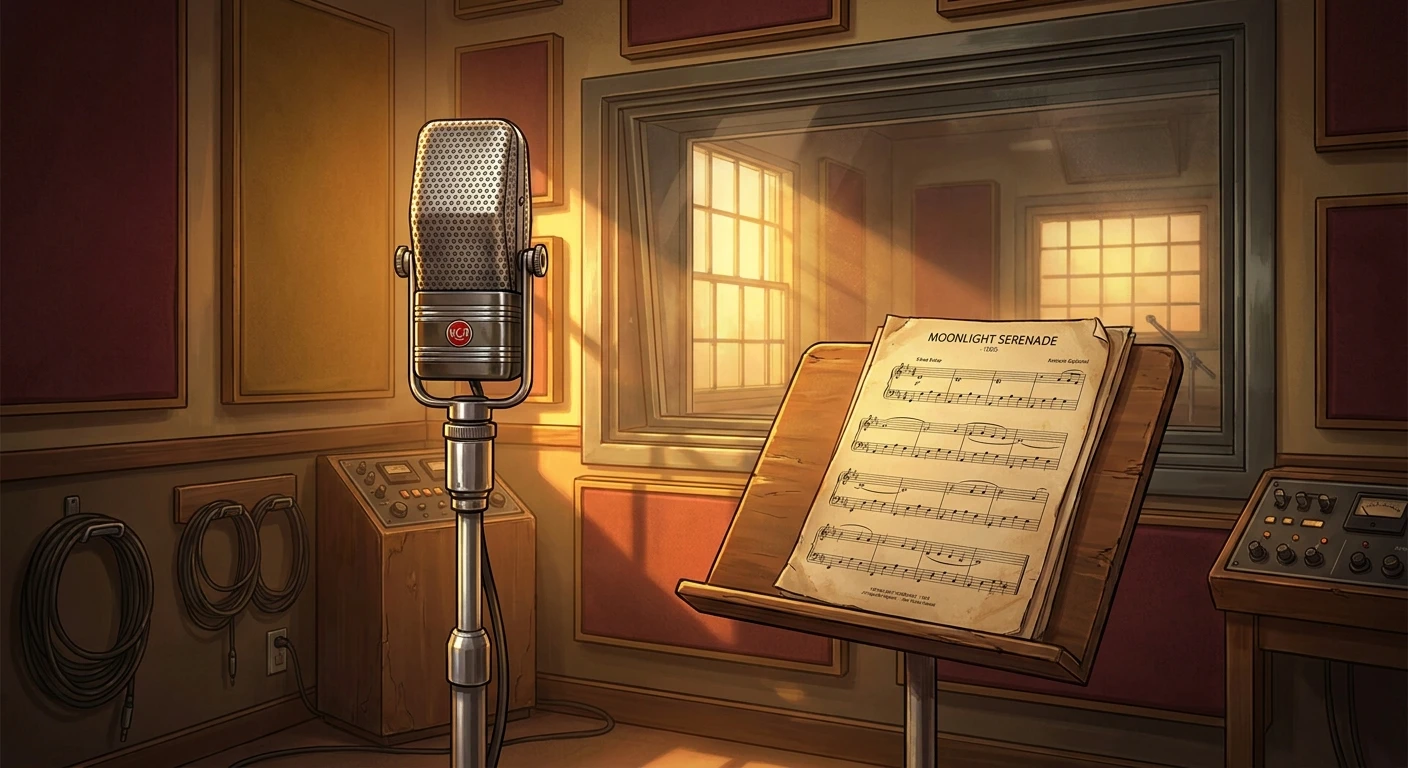
The technical side of her studio sessions is equally fascinating. She recorded during the transition from direct-to-disc 78 rpm records to magnetic tape and long-playing 33 1/3 rpm vinyl. The studios at Columbia Records were renowned for their acoustic brilliance. Audio engineers captured her voice using top-tier ribbon microphones, such as the RCA 44BX. These microphones were incredibly sensitive to volume and proximity. Here are some of the technical realities of her recording sessions:
- Proximity Effect Mastery: She knew exactly how close to stand to the ribbon microphone to boost the low-end frequencies of her voice, creating a lush, intimate sound for ballads.
- Live Take Discipline: Most of her early iconic tracks were recorded completely live with the orchestra in the same room. There were no vocal overdubs or autotune; she had to deliver a flawless performance in one go.
- Dynamic Control: Instead of relying on a sound engineer to ride the faders and control her volume, she physically leaned back from the microphone during loud, high notes and leaned in close for soft whispers.
- Acoustic Bleed Utilization: The subtle bleed of the string section into her vocal microphone added a natural, organic reverb that modern digital plugins still struggle to replicate perfectly.
Day 1: The Big Band Beginnings
Start your listening journey with the tracks that made her famous. Focus on the mid-1940s recordings with Les Brown. Listen to the original recording of Sentimental Journey. Pay close attention to how relaxed she sounds despite the large brass arrangement behind her. Follow it up with My Dreams Are Getting Better All the Time. You will hear a youthful, energetic vocalist learning how to lead a massive ensemble.
Day 2: The Hollywood Musicals
Move into the 1950s film era. This is where the budget expanded, and the orchestrations became incredibly lush. Listen to Secret Love from Calamity Jane. Notice the dramatic build and her soaring, powerful high notes. Then, play It’s Magic from her film debut, Romance on the High Seas. These tracks highlight her ability to deliver theatrical, emotionally resonant performances that translate perfectly to the silver screen.
Day 3: Jazz and Torch Standards
It is time to hear her serious jazz chops. Put on her 1954 concept album, Young at Heart, featuring Frank Sinatra. Then, transition to her masterpiece album, Duet, recorded with the brilliant jazz pianist Andre Previn. Listen to her interpretations of Control Yourself and My One and Only Love. You will hear incredibly complex phrasing, delayed timing, and a deep understanding of jazz harmony that rivals any dedicated jazz singer of her era.
Day 4: Upbeat Pop Hits
Switch gears to her infectious, toe-tapping pop hits. Obviously, you must listen to Que Sera, Sera, but go beyond that. Listen to Everybody Loves a Lover and Teacher’s Pet. These songs feature bouncy, syncopated rhythms. Notice how she uses her voice almost like a percussion instrument, sharply accenting the consonants to drive the rhythm forward.
Day 5: Latin and Global Influences
Explore her venture into bossa nova and Latin jazz. Play the album Latin for Lovers, released in 1965. Listen to Perhaps, Perhaps, Perhaps and Fly Me to the Moon. The arrangements are breezy and sophisticated. She adapts her vocal style entirely, removing some of the traditional American swing and replacing it with a smooth, gliding legato that perfectly suits the Latin rhythms.
Day 6: Deep Cuts and Hidden Gems
Dig into the lesser-known tracks that hardcore fans adore. Listen to Autumn Leaves from her album Day by Day. Find her version of Bewitched, Bothered and Bewildered. These are the tracks where she stretches out, takes risks, and leans heavily into the melancholy and heartbreak of the lyrics. You will discover a darker, more introspective side of her voice.
Day 7: The Final Studio Recordings
Conclude your week with her later recordings. Listen to tracks from her 1967 album, The Love Album, which was actually shelved and not released until decades later. It features some of her most mature, technically flawless singing. Wrap up the journey with My Heart, a compilation released in 2011 featuring tracks she recorded in the 1980s. Even in her later years, her voice retained that signature warmth and impeccable pitch.
Myths and Realities
Myth: She only sang light, fluffy, novelty pop tunes for kids.
Reality: While she had massive pop hits, she recorded highly respected jazz albums and complex torch songs. Music critics and fellow musicians praised her deep understanding of jazz timing and phrasing, placing her alongside the jazz greats.
Myth: She relied heavily on studio magic and could not sing well live.
Reality: She spent years touring relentlessly with big bands before ever stepping into a Hollywood studio. She sang live on radio broadcasts and stage shows constantly, proving she had immense vocal power, stamina, and perfect pitch without any electronic assistance.
Myth: Her music is completely forgotten and irrelevant today.
Reality: Her classic recordings generate millions of digital streams annually. Her phrasing techniques are studied in university vocal programs, and her tracks are regularly licensed for major motion pictures, proving her sound is timeless.
What is her most famous song?
Que Sera, Sera (Whatever Will Be, Will Be) is widely considered her most famous track. It won an Academy Award for Best Original Song and became her ultimate signature theme song for the rest of her life.
Did she write her own music?
No, she was strictly an interpreter of songs. She worked with professional songwriters, composers, and arrangers who tailored classic standards and new compositions specifically to match her unique vocal range and personality.
How many albums did she record?
She recorded nearly 30 studio albums and over 600 individual tracks during her long career with Columbia Records, creating one of the most prolific and consistent discographies of the 20th century.
Did she win an Oscar for singing?
While she did not win a competitive acting Oscar, two of the songs she introduced in films—Secret Love and Que Sera, Sera—won the Academy Award for Best Original Song.
Which band did she start her career with?
She achieved her first major national success singing with Les Brown and His Band of Renown. Their recording of Sentimental Journey became a defining track of the World War II era.
Are her classic recordings available on vinyl?
Yes, many of her original Columbia Records albums have been reissued on high-quality vinyl. Collectors highly prize her original mono and stereo pressings from the 1950s and 1960s.
Did she ever sing pure jazz?
Absolutely. Her album Duet with the Andre Previn Trio is a masterclass in small-combo jazz singing, showcasing her ability to handle complex harmonies and sophisticated, syncopated rhythms effortlessly.
Exploring Doris Day songs gives you a brilliant window into the evolution of American popular music. From the swinging big band stages to the bright lights of Hollywood, her voice provided the soundtrack for millions of lives. Her impeccable technique, joyful tone, and emotional honesty ensure that her records will continue to be cherished. Put on one of her classic albums today and experience the undeniable magic of a true vocal legend.
Leave a Reply